WG I

International Panel on Migration
Bridging the Gap Between Migration Science, Policymaking, and Public Understanding
Bridging the Gap Between Migration Science, Policymaking, and Public Understanding
The IPM conducts evidence-based analysis and provides rigorous, independent scientific assessments on migration and displacement to inform policymakers, media, and the public.
The International Panel on Migration (IPM) is an independent, interdisciplinary, and permanent scientific organisation. Drawing on the best available research across the social sciences, it synthesises comprehensive knowledge on migration — and communicates that knowledge to policymakers and the public.
The IPM responds to the growing gap between scientific research and public and political debate on migration. By amplifying a globally diverse and pluralistic scientific voice, it aims to restore the role of evidence in one of today's most contested policy areas — providing the evidence base that policymakers, journalists, and civil society need to engage meaningfully with migration.
"Migration" is used as an umbrella term for diverse movements of people (including migration, displacement, relocation, and evacuations), with immobility as its implicit counterpart. Read more →
This work rests on five core principles:
Carefully evaluating the latest evidence from all social sciences, adopting rigorous criteria that abide by the highest standards of research.
Led by an independent community of distinguished social scientists and scholars, free from personal, political, and institutional influence.
Gathering scientists from all relevant disciplines, acknowledging the range of methods used to study migration.
Emphasizing a global perspective with strong regional balance, prioritizing collaboration with scholars from around the world.
A standing, independent body providing a stable platform for rigorous scientific assessments through sustained engagement.
During its founding phase (2025–2027), the IPM is establishing four thematic Working Groups — the scientific engine of the panel. Each Working Group carries out a rigorous, systematic review of the evidence on a globally significant migration research question. Two internal cross-cutting Working Groups synthesize those findings and translate them for policy and public audiences.

Assessing the scientific evidence on the environment-migration nexus
 Robert McLemanWilfrid Laurier University, Canada
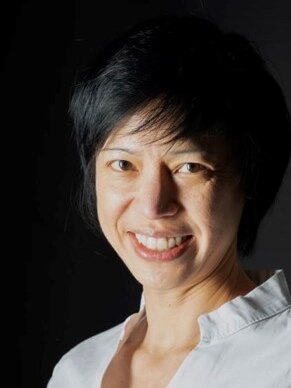 Raya MuttarakUniversity of Bologna & Bocconi University
Synthesizing evidence on migration's social dimensions across world regions
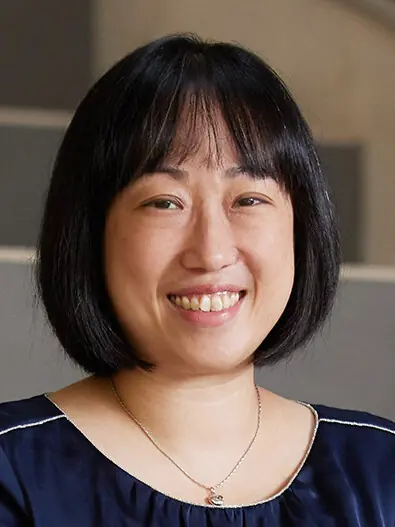 Elaine Lynn-Ee HoNational University of Singapore
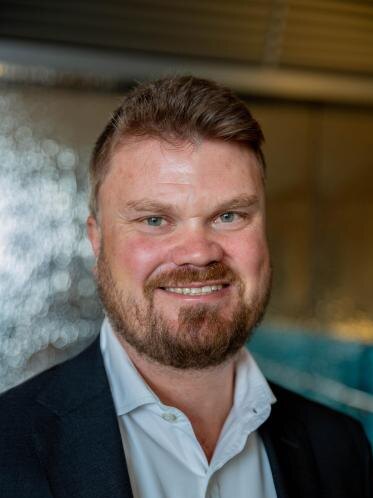 Alan GamlenAustralian National University
Building the evidence base on forced migration, protection, and durable solutions
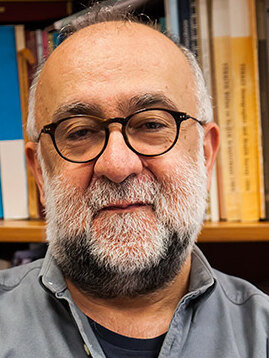 Ahmet İçduyguKoç University, Türkiye
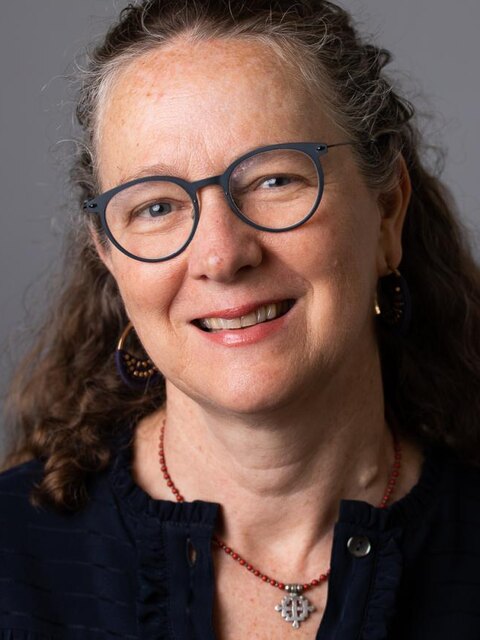 Laura HammondSOAS University of London
Assessing the demographic dimensions of migration and their long-term implications
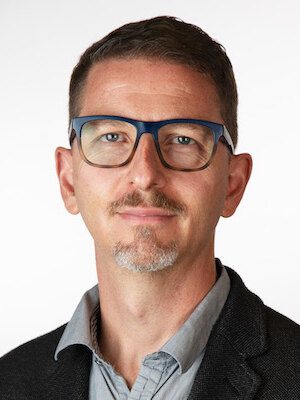 Fernando RiosmenaThe University of Texas at San Antonio
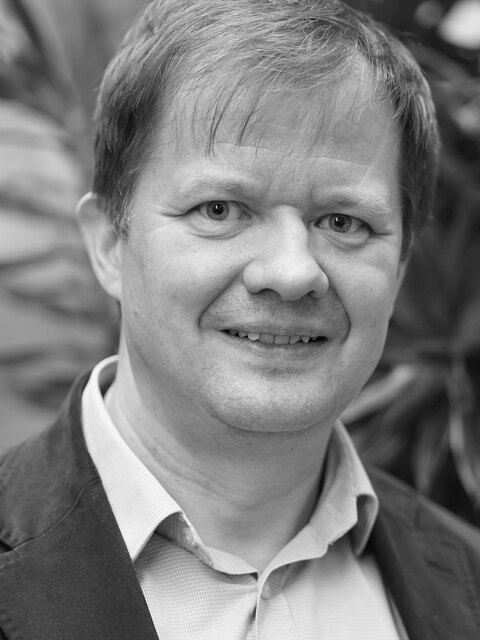 Jakub BijakUniversity of Oxford
Drawing together findings across the four thematic Working Groups into one single Synthesis Report.
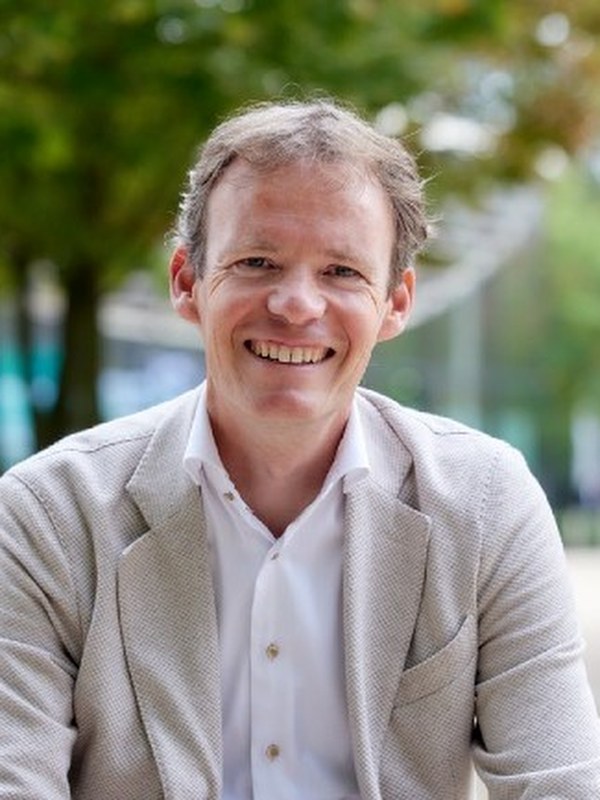 Peter ScholtenErasmus University Rotterdam, Netherlands
Translating assessment findings into accessible Summaries for Policymakers and for the Public.
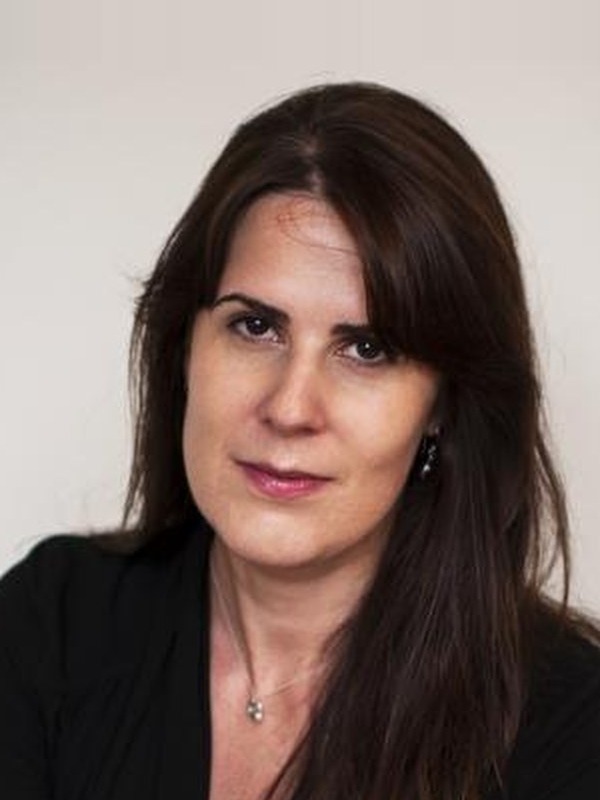 Elizabeth CollettMigration Policy Institute
Assessing the scientific evidence on the environment-migration nexus
Environmental and climatic changes are transforming human migration in scope, intensity, and speed. Migration, displacement, planned relocation, and evacuations driven by extreme weather events, slow-onset environmental degradation, sea-level rise, and resource scarcity are now one of the defining challenges of our time. The flipside, immobility in areas of risk, is equally important. However, the evidence base remains fragmented, contested, and poorly communicated to those who need it most.
The Working Group on Environmental Migration conducts a rigorous, systematic assessment of the state of scientific knowledge on the relationship between environmental or climatic changes and migration. Drawing on evidence across disciplines, it synthesizes what is known — and what remains uncertain — about the drivers, patterns, scale, impacts, and governance implications.
The Working Group assesses evidence from all world regions, with particular attention to areas most affected by environmental risk. It actively counteracts the overrepresentation of destination-country perspectives in existing research.
Scientific evidence on climate migration is growing rapidly but remains siloed across disciplines and regions. Gaps between knowledge and policy have real consequences: communities at risk are inadequately protected, adaptation strategies are poorly calibrated, and international governance frameworks lack the evidence base they need. The Working Group bridges these gaps, producing assessments that can inform climate adaptation planning, disaster risk management, loss & damage responses, humanitarian, development and peace actors, as well as migration governance worldwide.
Synthesizing evidence on migration's social dimensions across world regions
Migration transforms societies — and societies shape migration. Yet the evidence on how migration intersects with social cohesion, identity, discrimination, integration, and public attitudes is deeply contested, frequently politicized, and unevenly distributed across world regions and academic traditions. At a moment when migration is central to political debates globally, the gap between what researchers know and what the public and policymakers believe has never been more consequential.
The Working Group on Migration and Society provides a systematic, cross-disciplinary assessment of evidence on the social dimensions of migration. This includes integration and incorporation of migrants in receiving societies; the effects of migration on social institutions and communities; public attitudes toward migration and migrants; discrimination and racism; transnational social ties; and the lived experiences of migrants themselves.
The Working Group integrates sociology, anthropology, political science, psychology, and cultural studies — combining qualitative, ethnographic, and participatory approaches alongside quantitative data. It incorporates perspectives from origin, transit, and destination country contexts, as well as internal migration dynamics across the Global South.
Migration scholarship is disproportionately concentrated in high-income destination countries in Europe and North America. This geographic imbalance shapes which questions are asked, which communities are studied, and which findings reach policy audiences. By assembling a globally representative body of expertise, the Working Group corrects this imbalance and helps policymakers design evidence-based integration and social cohesion strategies.
Building the evidence base on forced migration, protection, and durable solutions
Forced migration — encompassing refugees, asylum seekers, internally displaced persons, and others compelled to move by conflict, persecution, and violence — has reached historic levels, with over 120 million people forcibly displaced. Despite decades of humanitarian and academic engagement, major knowledge gaps persist: about the long-term trajectories of displaced populations, about conditions that enable durable solutions, and about protection gaps faced by those who do not fit neatly into legal categories.
The Working Group on Forced Migration undertakes a comprehensive, evidence-based assessment of the scientific knowledge on forced migration. It examines the causes, patterns, and scale of forced movement; legal and normative frameworks governing protection; the conditions and experiences of forcibly displaced populations over time; and the policies and interventions that shape outcomes for affected people and host communities.
The Working Group spans law, political science, sociology, geography, public health, and economics, integrating evidence from contexts where forced migration is most acute, including the Middle East, Sub-Saharan Africa, South and Southeast Asia, and the Americas. It brings together researchers from both academic and practitioner traditions, reflecting IPM's commitment to combining scientific rigor with real-world relevance.
Responses to forced migration are too often reactive rather than evidence-informed. The knowledge base is fragmented across legal, humanitarian, and academic silos, and inadequately communicated to decision-makers. The Working Group produces authoritative, independent assessments that can strengthen protection frameworks, improve humanitarian programming, and support more effective, rights-based approaches to forced migration globally.
Assessing the demographic dimensions of migration and their long-term implications
Migration is one of the most powerful forces shaping demographic change in the 21st century — influencing population size, age structure, labor markets, urbanization, and the long-term sustainability of social systems worldwide. Yet demographic evidence on migration is frequently oversimplified in public and policy discourse, poorly integrated across origin and destination perspectives, and inadequately linked to the structural forces — aging populations, fertility decline, urbanization, labor demand — that drive and are shaped by mobility.
The Working Group on Demography and Migration conducts a systematic, cross-national assessment of the demographic dimensions of human mobility. It examines migration flows and their measurement; the demographic characteristics and trajectories of migrant populations; effects of migration on population dynamics in sending and receiving countries; labor migration and economic integration; the relationship between migration and urbanization; and long-term demographic scenarios associated with different migration trends and policies.
The Working Group integrates demography, economics, sociology, statistics, and public policy, combining quantitative rigor with contextual analysis. It draws on data and evidence from all world regions, with explicit attention to the underrepresentation of Global South perspectives in demographic migration research.
Demographic evidence on migration is essential for sound long-term planning — for pension systems, labor markets, urban infrastructure, and social services. Yet demographic projections are rarely communicated accessibly, and their policy implications are frequently contested along political rather than scientific lines. The Working Group provides authoritative, independent assessments that anchor evidence-based demographic planning and challenge distortions in public debate.
Reconciling findings across the thematic Working Groups
IPM’s internal cross-cutting body responsible for the capstone Synthesis Report, drawing together and reconciling findings across the four thematic Working Groups into a single synthesis.
The group identifies connections, areas of convergence, and unresolved questions across the four assessments so their combined evidence can be understood as a coherent whole.
Making IPM findings accessible to policy and public audiences
IPM’s internal cross-cutting body translating the findings of the thematic Working Groups and the Synthesis Report into accessible Summaries for Policymakers and for the Public.
The group safeguards clarity and accessibility while preserving the evidence, uncertainty, and nuance established through the scientific assessment process.
The IPM applies an expertise threshold followed by a multi-dimensional diversity composition matrix. This process is documented to ensure accountability and transparency.

Scored highly across citation metrics, policy-relevant outputs, and leadership roles. Excellence is assessed relative to career stage and field — quantitative metrics inform but do not determine selection.

Each Working Group of 10–15 members should represent at least 6 disciplines, with a minimum of 30% qualitative and 30% quantitative researchers, and at least 20% mixed-methods or other approaches.

All major world regions must be represented. Minimum 40% of members from low- and middle-income countries (LMICs). At least one expert each from origin, transit, and destination country contexts.

Parity target of 50% ±5% across Working Group membership and leadership positions. Blind initial scoring for expertise is applied, with gender balancing during final composition stage.

Composition rule: 40–60% senior scholars (20+ years post-degree), 20–40% mid-career (8–20 years), and 20–40% early career (0–7 years). This enhances innovation and prevents entrenchment of dominant paradigms.

IPM explicitly recruits beyond English-dominant publication networks. Primary publication language, inclusion of non-English scholarship, and experience in non-Western knowledge contexts are all tracked.
Contribute your expertise to global migration research assessments and policy engagement. We're building a worldwide network of scholars committed to evidence-based migration discourse.
Express Your InterestThe IPM evolves incrementally into a fully constituted international scientific panel. The current phase (2025-2027) establishes the institutional architecture while laying the foundation for inclusive and decentralized participation.
← scroll to explore →
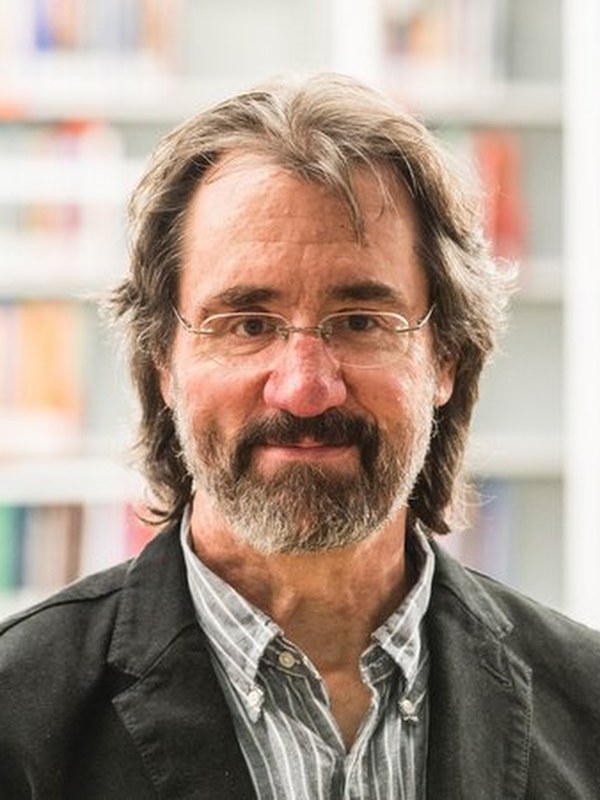
Max Planck Institute for the Study of Religious and Ethnic Diversity, Göttingen, Germany
Migration Policy Institute
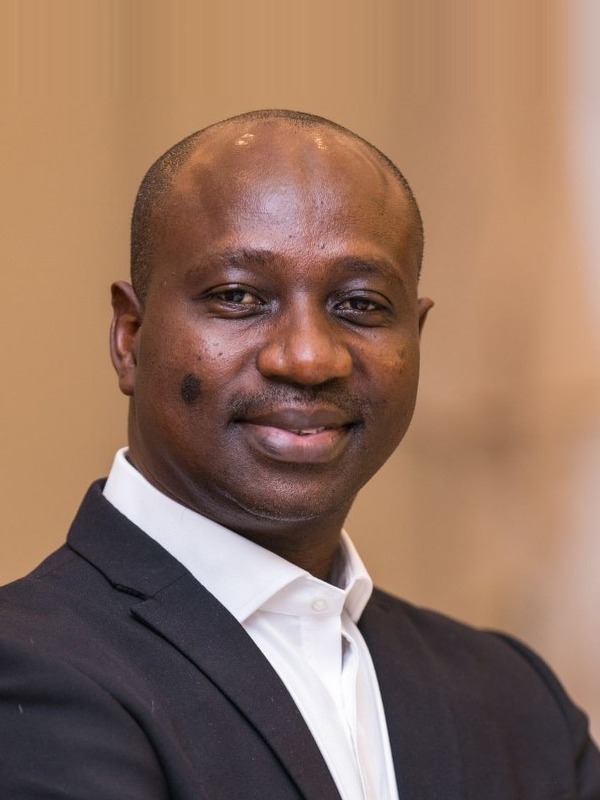
Centre for Migration Studies, University of Ghana
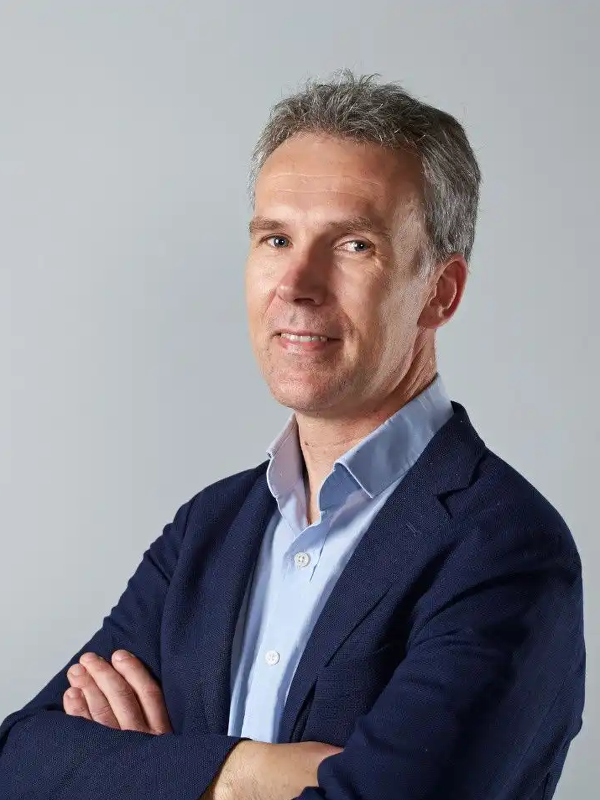
CNRS (French National Centre for Scientific Research); Sciences Po Paris
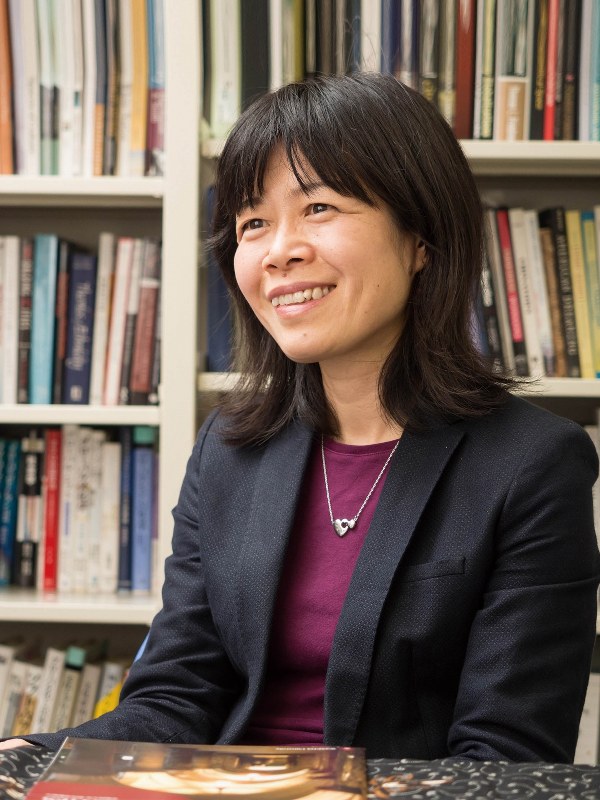
Waseda University, Graduate School of Asia-Pacific Studies, Tokyo, Japan
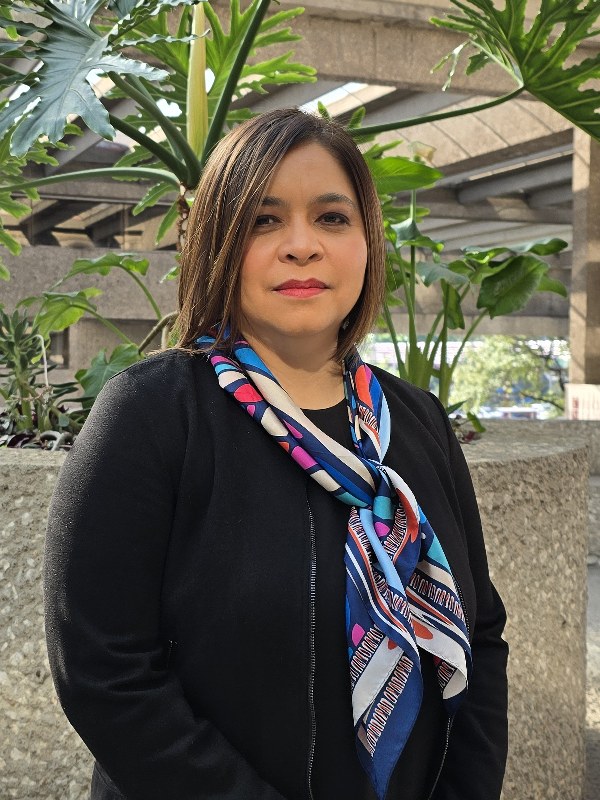
El Colegio de México (COLMEX)
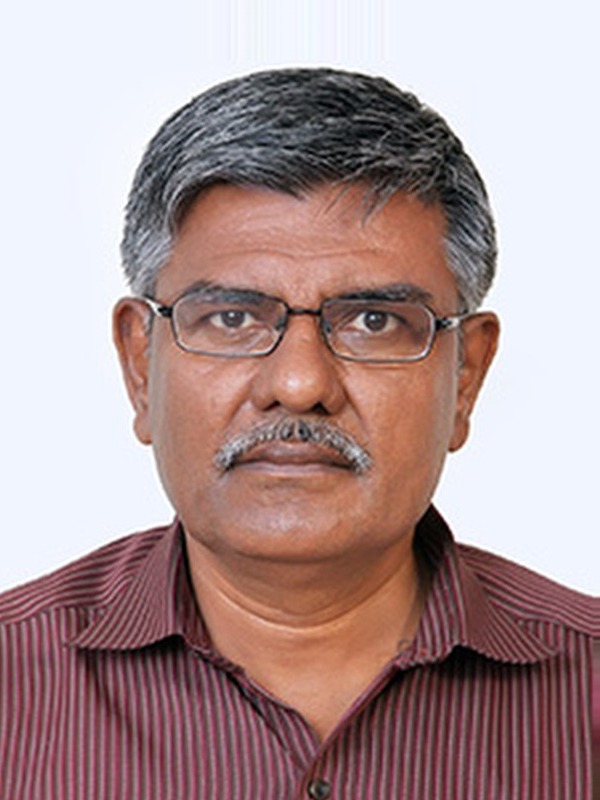
International Institute for Migration and Development (IIMAD), India
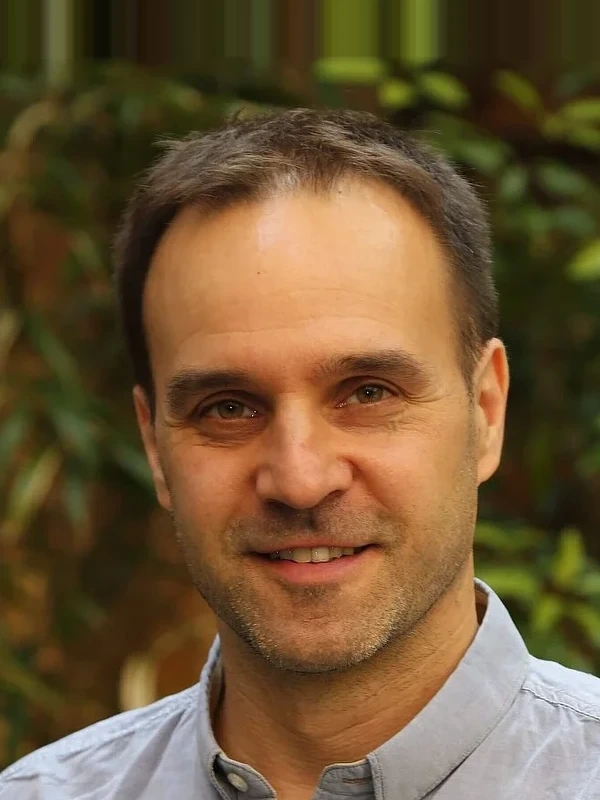
European University Institute (EUI), Florence, Italy
Erasmus University Rotterdam; Leiden University
Migration Policy Institute (MPI)
The New School for Social Research; Zolberg Institute on Migration and Mobility
UNITAR (United Nations Institute for Training and Research)
Toronto Metropolitan University (TMU), Canada
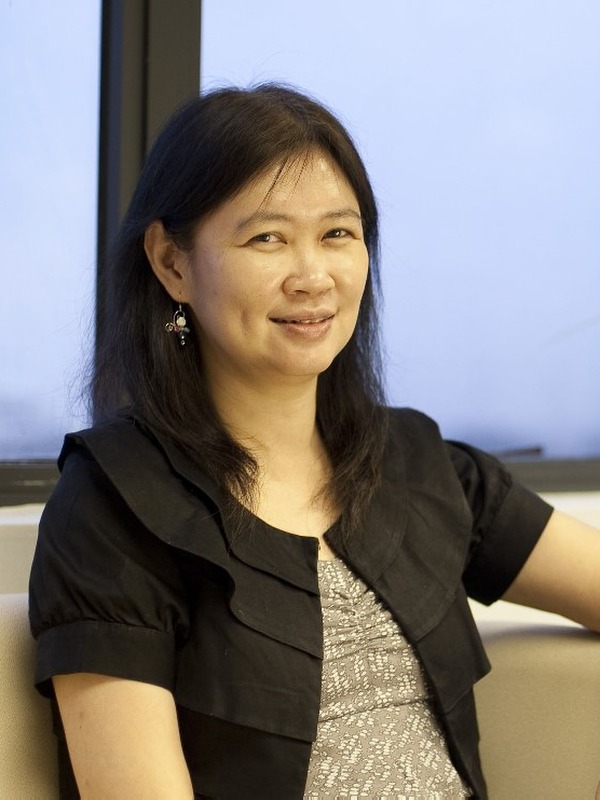
National University of Singapore (NUS), Department of Geography
President
Vice-President (Africa)
Vice-President (Americas)
Vice-President (Asia)
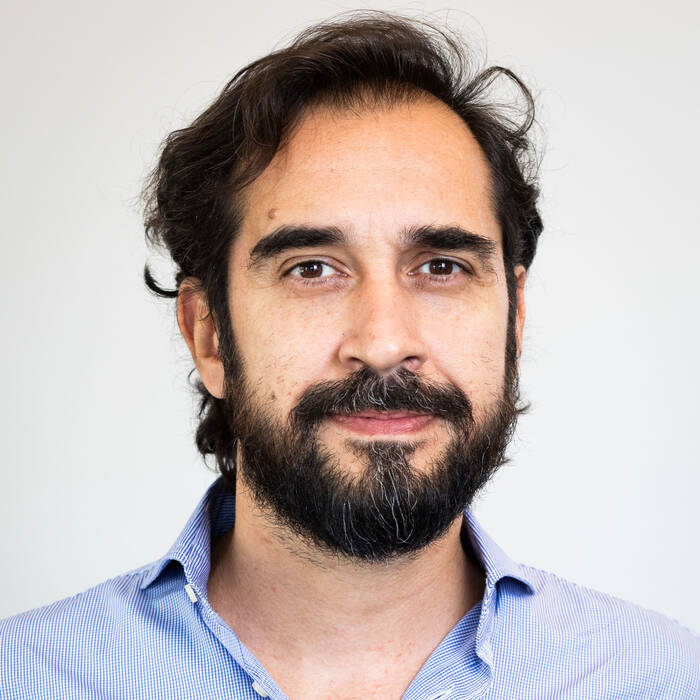
Executive Director of the Secretariat
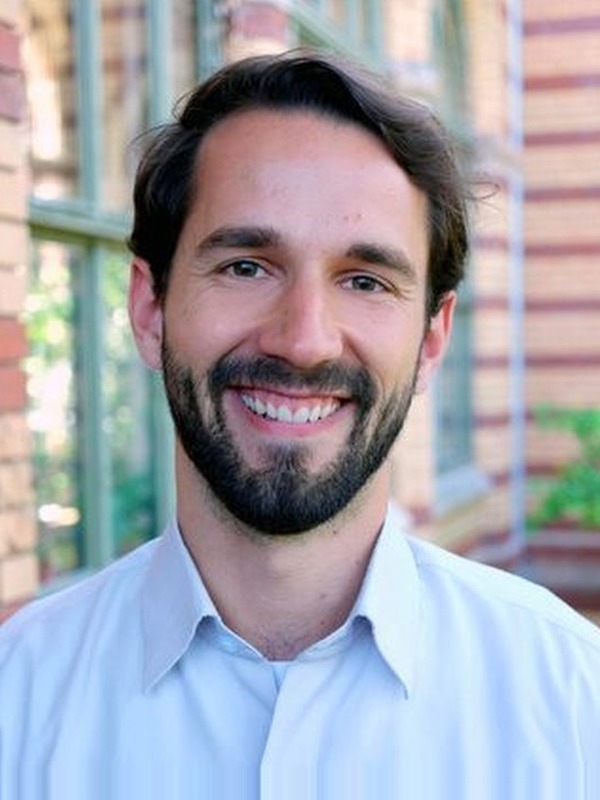
Strategy Officer

Program Operations Officer
All co-chairs and chairs have been appointed.
See the Working Groups section for each group’s full mandate.
Leadership body of 12–16 members. Sets the agenda, approves the work plan, and serves as ambassadors of the IPM.
Members →President, three regional Vice-Presidents, and the Executive Director. Implements Steering Committee decisions.
Explore →Based at the Zolberg Institute, The New School. Handles communications, engagement, fundraising, and coordination.
Team →Four thematic working groups addressing globally significant migration research questions and two internal working groups for synthesizing findings and translating them into accessible summaries.
Explore →10–20 observers from international organizations plus a global coalition of scientists as the author pool.
Explore →The IPM was founded on a shared conviction: that migration policy is so consequential it must be grounded in rigorous evidence. From an open letter signed in 2018 to an emerging global institution, ours is a story of scientific community in action.
"We ask for a radical change of paradigm in dealing with migration and asylum, based on a rational, realistic, scientifically informed and humanist approach..."
— Open letter, 2018Each dot represents one signatory.
In response to the politicised framing of migration in Europe in 2015–16, researchers launched an initiative to bridge the gap between scientific knowledge and migration policy. Frustrated by the lack of policy impact, they called in a 2018 open letter for a more rational, research-based, and humane approach, simultaneously published in The Guardian and Le Monde.
Hosted under the Institut Convergences Migrations, LIEPP (Sciences Po), and the Collège de France, this first gathering united researchers around a shared diagnosis: the growing gap between scientific expertise and migration policy was troubling. Inspired by the Intergovernmental Panel on Climate Change (IPCC), the group resolved to build a similar collective scientific voice for migration.
At the invitation of the Max-Planck Institute for the Study of Religious and Ethnic Diversity, the group mapped out implementation steps and identified key interlocutors. It reaffirmed its commitment to scientific independence, rigorous peer-based methods, and a global reach.
The Covid-19 pandemic interrupted momentum. But it also created space for essential arguments. The same debates that drive the need for the IPM — about objectivity, whose knowledge counts, and the gap between evidence and policy — also shaped how it was designed.
With support from the Robert Bosch Foundation and the Fondation Maison des Sciences de l'Homme, a feasibility study confirmed that the IPM is timely and relevant, and, with further sharpening, could fill a key gap. An accompanying mapping report identified possible synergies with institutions and potential partners.
The New School for Social Research (New York) formally joined the initiative and began hosting the IPM's secretariat at the Zolberg Institute. A Steering Committee with leading experts is established.
The IPM held its soft launch during the Second International Migration Review Forum (IMRF) in New York at the United Nations in May 2026. At a side event, IPM convened leaders to discuss how impartial research synthesis can rebuild trust and inform public discourse and policy-making.
The IPM has appointed the Co-Chairs of its four thematic Working Groups and the Chairs of its two internal Working Groups, and is nominating lead authors to constitute the Working Groups for the first assessment cycle, ahead of convening them in Berlin in September 2026.
The IPM is actively structuring its first assessment reports and finalising its governance and funding framework. The first reports are expected in the course of 2027.
"The IPM will be an independent, interdisciplinary, international, and permanent scientific institution — or it will not be. These four characteristics are the guarantors of its legitimacy and autonomy."
— Guiraudon, Schmoll & Thiollet, Plein Droit, June 2025"We have never been more solicited — and nothing changed. The analyses were simply not taken into account by the institutions that commissioned them."
— Camille Schmoll, on the heightened politicization of migration 2015-16, Libération, July 2025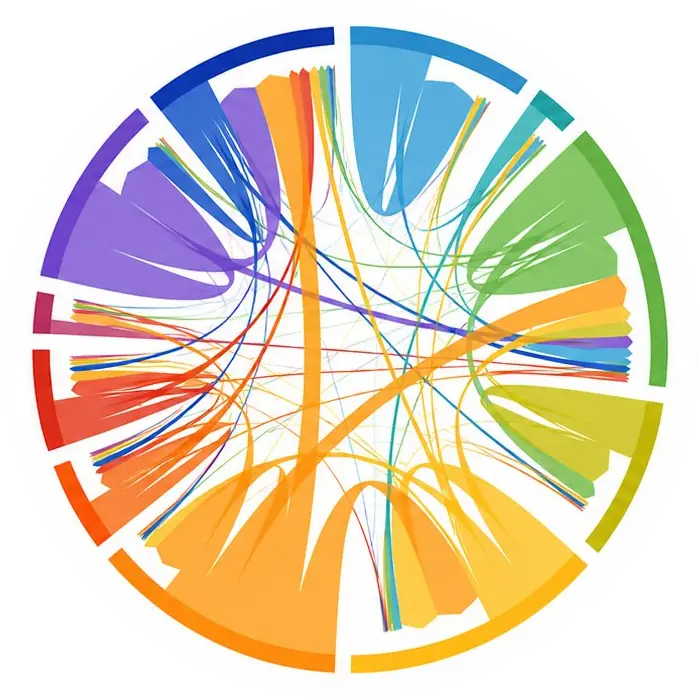
The circular chord diagram at the heart of the IPM logo is inspired by the pioneering work of Guy Abel on bilateral international migration flow estimates. Abel's visualisations map the full complexity of global migration as an interconnected web of flows — between origins, transit points, and destinations — rather than as a simple one-directional movement.
We chose this image deliberately. Migration is not linear. It involves sending and receiving zones, transit and origin areas, and circular movement. It reflects the diversity of people, reasons, and routes. The chord diagram captures all of this at once — the very complexity that the IPM exists to study, understand, and communicate.
The IPM uses "migration" as an umbrella term covering the full spectrum of human movement — and its opposite "immobility". Here is what that means in practice.
"Migration" covers voluntary and forced movements of people, across diverse temporal and spatial scales, within and across borders, irrespective of legal status. The flipside — immobility — is implicitly included.
Migration changes one's usual place of residence. It spans short-term and seasonal moves (except temporary travel or commuting) as well as long-term settlement, within and across national borders.
The term encompasses all types of movements, ranging from clearly forced displacement to clearly voluntary migration — regardless of legal status, documentation, or formal recognition. Forms of movements
All factors shaping the initiation and perpetuation of movement are considered, spanning economic, educational, environmental (including disasters), political (conflict, persecution, coercion, governance), health-related, development-induced, and social, personal, or household factors such as family reunification, marriage, lifestyle, or retirement.
The IPM covers different forms of human movement, including those coined as migration, displacement, relocation, and evacuations in specific contexts. The inability or choice not to move — whether involuntary, acquiescent, or voluntary — is equally central to understanding migration dynamics.
Email: secretariat@migrationpanel.org
For press inquiries and media requests, please contact our communications team at secretariat@migrationpanel.org
Founding Director, Max Planck Institute for the Study of Religious and Ethnic Diversity
Max Planck Institute for the Study of Religious and Ethnic Diversity, Göttingen, Germany
Steven Vertovec is an anthropologist and Director of the Max Planck Institute for the Study of Religious and Ethnic Diversity, based in Göttingen, Germany. Born in Chicago in 1957, he completed a B.A. in Anthropology and Religious Studies from the University of Colorado, Boulder (1979), an M.A. in Religious Studies from UC Santa Barbara (1982), and a D.Phil. in Social Anthropology from Oxford University (1988). He is also Honorary Joint Professor of Sociology and Ethnology at the University of Göttingen and Supernumerary Fellow at Linacre College, Oxford. He was Founding Director of the British Economic and Social Research Council's Centre on Migration, Policy and Society (COMPAS). He currently serves as co-Editor of the journal Global Networks and Editor of the Palgrave Macmillan book series 'Global Diversities'. His research focuses on international migration, ethnic diversity, transnationalism, and the concept of super-diversity, which has become widely influential in migration and urban diversity studies.
Raffles Professor of Social Sciences; Research Leader, Asian Migration Cluster
National University of Singapore (NUS), Department of Geography
Brenda S.A. Yeoh FBA is Raffles Professor of Social Sciences, Department of Geography, as well as Research Leader of the Asian Migration Cluster at the Asia Research Institute, National University of Singapore (NUS). She was awarded the Vautrin Lud Prize for outstanding achievements in Geography in 2021. She served as Dean of the NUS Faculty of Arts and Social Sciences from 2010 to 2016 and has received numerous awards including the NUS Outstanding University Researcher Award (2000) and the Public Administration Medal (Silver) (2015). Her research interests include the politics of space in colonial and postcolonial cities, highly skilled talent migration, gender and care migration, and family dynamics and international marriage migrants.
Professor of Sociology; Director, Institute of Asian Migration
Waseda University, Graduate School of Asia-Pacific Studies, Tokyo, Japan
Gracia Liu-Farrer (Ph.D. Sociology, University of Chicago) is Professor of Sociology at the Graduate School of Asia-Pacific Studies and Director of the Institute of Asian Migration at Waseda University, Japan. Her research examines immigrants' economic, social and political practices in Japan, as well as transnational labor and student mobilities in East Asia and between Asia and Europe. She authored "Immigrant Japan: Mobility and Belonging in an Ethno-nationalist Society" (Cornell University Press, 2020) and serves on the editorial boards of International Migration Review, Migration Studies Journal, and Journal of Chinese Overseas.
Professor of Migration and Development at the Centre for Migration Studies, University of Ghana
University of Ghana, Centre for Migration Studies
Prof. Leander Kandilige is a Professor of Migration and Development at the Centre for Migration Studies, University of Ghana, and serves as Vice-President of the IPM Bureau. He holds a D.Phil. in Migration Studies from Oxford and his research interests include migration and development, labour migrations in Africa, diaspora and development, and return migration.
Chair/Founder, International Institute for Migration and Development (IIMAD)
International Institute for Migration and Development (IIMAD), India
S. Irudaya Rajan is a leading migration researcher and has held key positions in international migration research and policy development. He is recognized for his contributions to understanding migration patterns, remittances, and development linkages, particularly in the Global South. His work examines labor migration, return migration, and the development impacts of migration. He has served as advisor to various international organizations including the World Bank, IOM, and UN agencies, and has published extensively on South Asian migration dynamics.
Associate Professor, CEDUA; Coordinator, Seminar Migration, Inequality and Public Policies
El Colegio de México (COLMEX)
Claudia Masferrer is an Associate Professor at the Centre for Demographic, Urban, and Environmental Studies and Coordinator of the Seminar Migration, Inequality and Public Policies at El Colegio de México. She holds a PhD in Sociology (McGill University), an MSc in Statistics (University of Texas at Austin) and a BSc in Applied Mathematics (ITAM). Her research focuses on international migration, reintegration of returnees, immigrant integration, and demographic dynamics in North America. She is a member of the Mexican National Researchers System (SNI-Level 2) and has been an Associate Editor of International Migration Review (IMR) since 2023.
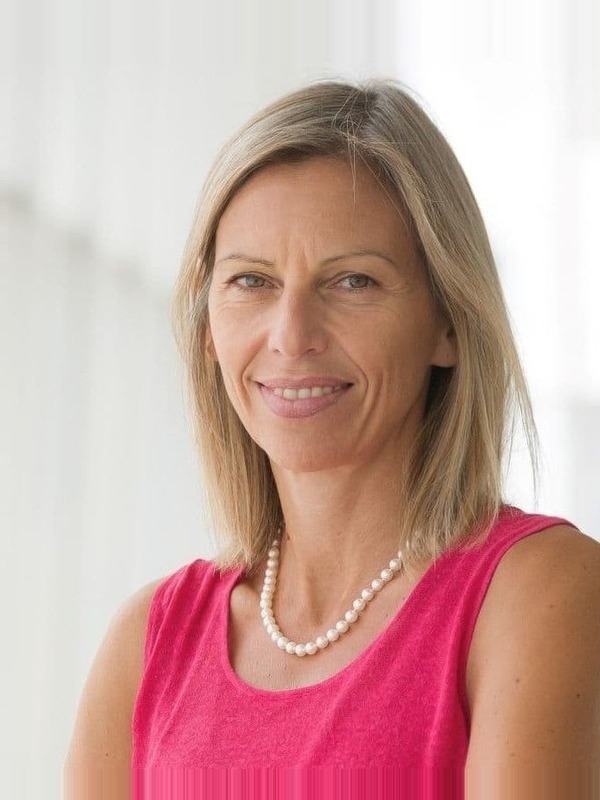
Canada Excellence Research Chair in Migration and Integration; Director, Bridging Divides Initiative
Toronto Metropolitan University (TMU), Canada
Anna Triandafyllidou is an internationally renowned sociologist and migration expert whose innovative interdisciplinary research influences debates and policies on migration and asylum, the management of cultural diversity, nationalism and identity, and contemporary global challenges of migration and integration. She has held the Canada Excellence Research Chair (CERC) in Migration and Integration at Toronto Metropolitan University (TMU) since 2019, and is Scientific Director of Bridging Divides, a $98.6 million project funded by the Canada First Research Excellence Fund. She has authored approximately 200 publications and since 2013 has been the Editor-in-Chief of the Journal of Immigrant and Refugee Studies.
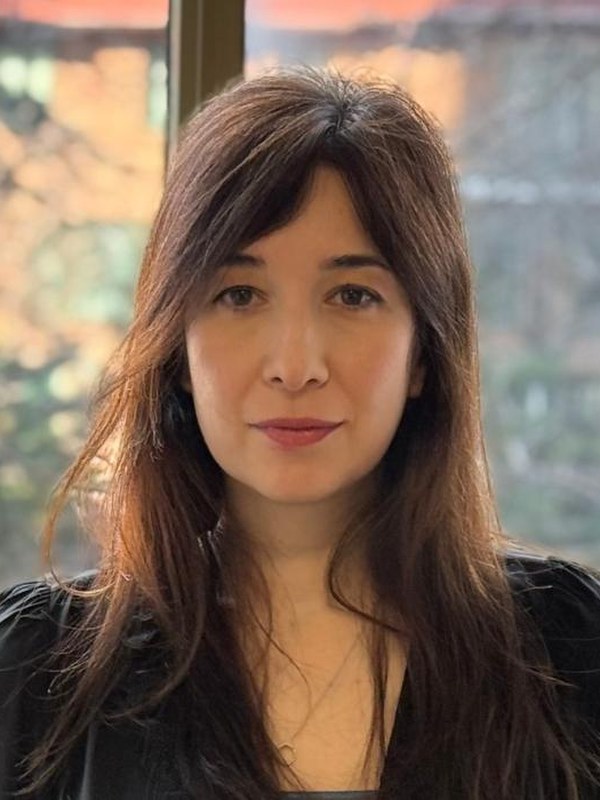
Associate Professor of Politics; Director, Zolberg Institute on Migration and Mobility
The New School for Social Research; Zolberg Institute on Migration and Mobility
Mira Siegelberg is Associate Professor of Politics and Director of the Zolberg Institute on Migration and Mobility at The New School for Social Research. A historian trained at Harvard University (PhD 2014), she specializes in European and U.S. intellectual history, the history and theory of rights and legal thought, and the politics of citizenship and migration. Prior to joining The New School, she was Associate Professor of History at the University of Cambridge and Fellow of King's College.
CNRS Director of Research
CNRS (French National Centre for Scientific Research); Sciences Po Paris
Thomas Lacroix is CNRS Director of Research in geography. He works on the relationships between immigrant transnationalism and the state, with a focus on North African transnationalism. He has published extensively on the migration and development relationship, diasporic memory, the moral geography of migration, and the theory of transnationalism. He was awarded a PhD in geography and political sciences at the University of Poitiers (2003) and is associate editor of Migration Studies and fellow of the Institut Convergence Migrations in Paris.
Professor of Migration Studies; Deputy Director, Migration Policy Centre
European University Institute (EUI), Florence, Italy
Martin Ruhs is Professor of Migration Studies and Deputy Director of the Migration Policy Centre (MPC) at the European University Institute (EUI) in Florence. He was previously Professor of Political Economy at the University of Oxford. His research focuses on the economics and politics of international migration, with a particular interest in the links between migration and wider public policies. His books include The Price of Rights: Regulating International Labour Migration (Princeton University Press, 2013).
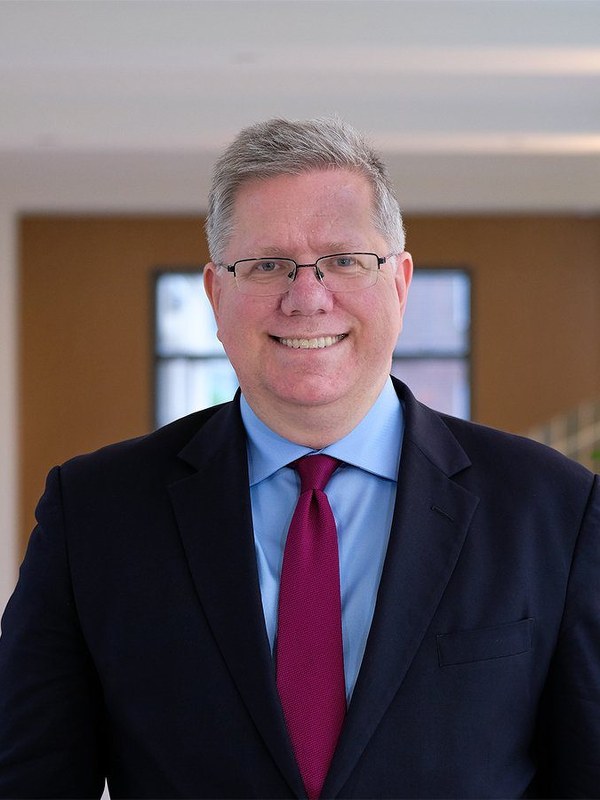
President, Migration Policy Institute
Migration Policy Institute (MPI)
Andrew Selee is President of the Migration Policy Institute (MPI), a global nonpartisan institution focused on improving immigration and integration policies through research and policy development. His research focuses on migration globally, with emphasis on immigration policies in the United States, Latin America, and the Caribbean. He is author of Vanishing Frontiers: The Forces Driving Mexico and the United States Together (PublicAffairs, 2018). He holds a PhD in policy studies from the University of Maryland and was an Andrew Carnegie Fellow (2017–18).
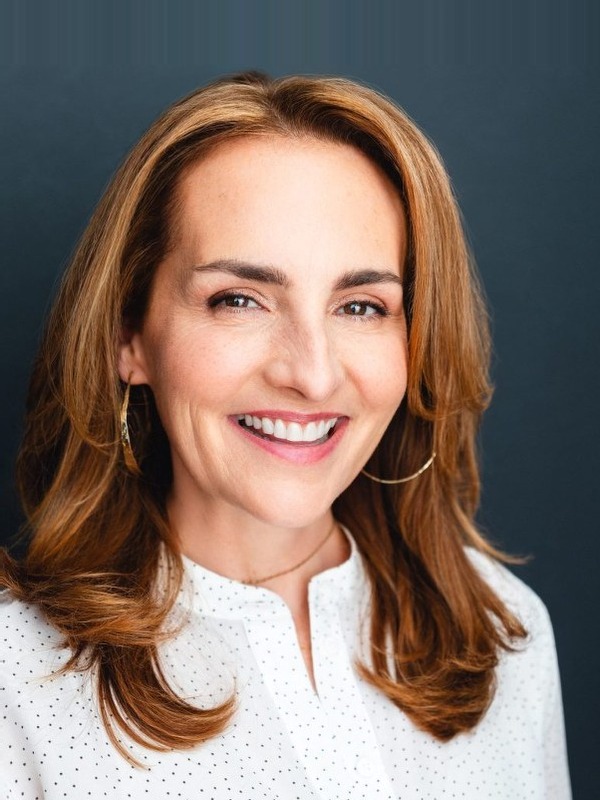
Senior Advisor
UNITAR (United Nations Institute for Training and Research)
Colleen Thouez is Senior Advisor at UNITAR, focusing on migration governance, international cooperation on migration, and capacity building. She is Founder and Director of NASH's Training Individuals for Economic Readiness (TIER). Previously, she served as the first Director of the Welcoming and Inclusive Cities Division at the Open Society Foundations, where she created the Mayors Migration Council and the Africa-Europe Mayors Dialogue. She has held academic positions at Columbia University, American University, Sciences Po Paris, and The New School.
Chair, Communication Working Group; Global Fellow, Migration Policy Institute
Migration Policy Institute
Elizabeth Collett is a Global Fellow at the Migration Policy Institute (MPI), with more than two decades of experience in migration policy. She chairs the Expert Subcommittee of Australia’s Ministerial Advisory Council on Skilled Migration and is a member of the Strategic Council of the European Policy Centre. She previously served as Special Adviser for Policy and Strategy to the Director General of the International Organization for Migration, and was Founding Director of MPI Europe in Brussels and Senior Advisor to MPI’s Transatlantic Council on Migration. Earlier in her career she was a Senior Policy Analyst at the European Policy Centre, and worked in IOM’s Migration Research and Policy Department in Geneva and at the Institute for the Study of International Migration in Washington, DC. She holds a master’s degree in foreign service from Georgetown University and a bachelor’s degree in law from Oxford University.
Chair, Knowledge Synthesis Working Group; Full Professor in the Governance of Migration and Diversity
Erasmus University Rotterdam; Leiden University
Peter Scholten is Full Professor in the Governance of Migration and Diversity at the Erasmus School of Social and Behavioural Sciences, Erasmus University Rotterdam, where he leads the Policy, Politics and Society team. He is Scientific Director of the Leiden-Delft-Erasmus Research Centre on the Governance of Migration and Diversity, Leiden-Delft-Erasmus double professor at Leiden University’s Department of Global Affairs, and Malmö City Visiting Professor at the Institute for Migration, Integration and Welfare at Malmö University. His research addresses the dynamics of migration and diversity policies, cities of migration, science–politics relations on migration and diversity, and complexity governance. He is Editor-in-Chief of the journal Comparative Migration Studies.
President, IPM Bureau
Max Planck Institute for the Study of Religious and Ethnic Diversity, Göttingen, Germany
Steven Vertovec is an anthropologist and Director of the Max Planck Institute for the Study of Religious and Ethnic Diversity, based in Göttingen, Germany. Born in Chicago in 1957, he completed a B.A. in Anthropology and Religious Studies from the University of Colorado, Boulder (1979), an M.A. in Religious Studies from UC Santa Barbara (1982), and a D.Phil. in Social Anthropology from Oxford University (1988). He is also Honorary Joint Professor of Sociology and Ethnology at the University of Göttingen and Supernumerary Fellow at Linacre College, Oxford. He was Founding Director of the British Economic and Social Research Council's Centre on Migration, Policy and Society (COMPAS). He currently serves as co-Editor of the journal Global Networks and Editor of the Palgrave Macmillan book series 'Global Diversities'. His research focuses on international migration, ethnic diversity, transnationalism, and the concept of super-diversity, which has become widely influential in migration and urban diversity studies.
Vice-President (Americas), IPM Bureau
El Colegio de México (COLMEX)
Claudia Masferrer is an Associate Professor at the Centre for Demographic, Urban, and Environmental Studies and Coordinator of the Seminar Migration, Inequality and Public Policies at El Colegio de México. She holds a PhD in Sociology (McGill University), an MSc in Statistics (University of Texas at Austin) and a BSc in Applied Mathematics (ITAM). Her research focuses on international migration, reintegration of returnees, immigrant integration, and demographic dynamics in North America. She is a member of the Mexican National Researchers System (SNI-Level 2) and has been an Associate Editor of International Migration Review (IMR) since 2023.
Vice-President (Asia), IPM Bureau
National University of Singapore (NUS), Department of Geography
Brenda S.A. Yeoh FBA is Raffles Professor of Social Sciences, Department of Geography, as well as Research Leader of the Asian Migration Cluster at the Asia Research Institute, National University of Singapore (NUS). She was awarded the Vautrin Lud Prize for outstanding achievements in Geography in 2021. She served as Dean of the NUS Faculty of Arts and Social Sciences from 2010 to 2016 and has received numerous awards including the NUS Outstanding University Researcher Award (2000) and the Public Administration Medal (Silver) (2015). Her research interests include the politics of space in colonial and postcolonial cities, highly skilled talent migration, gender and care migration, and family dynamics and international marriage migrants.
Vice-President (Africa), IPM Bureau
University of Ghana, Centre for Migration Studies
Prof. Leander Kandilige is a Professor of Migration and Development at the Centre for Migration Studies, University of Ghana, and serves as Vice-President of the IPM Bureau. He holds a D.Phil. in Migration Studies from Oxford and his research interests include migration and development, labour migrations in Africa, diaspora and development, and return migration.
Executive Director of the Secretariat
Zolberg Institute on Migration and Mobility, The New School
Achilles Kallergis is Senior Research Fellow and Director of Research and Practice at the Zolberg Institute on Migration and Mobility at The New School for Social Research. As Executive Director of the IPM Secretariat, he oversees the operational and strategic development of the panel. His research focuses on urbanization, migration, and mobility in rapidly growing cities, particularly environmental mobility and how locally-generated data can improve living conditions in low-income areas. Previously, he was a Research Scholar at NYU's Marron Institute of Urban Management, where he completed a global study on housing affordability and land use regulations that informed Habitat III and the United Nations New Urban Agenda.
Strategy Officer
Potsdam Institute for Climate Impact Research (PIK)
Dr. Jonas Bergmann specializes in the intersection of climate impacts and human mobility and immobility, including the complex relationships between environmental change and sustainable development, security, well-being, adaptation, and loss and damage. He has worked for the International Panel on Migration (IPM), the German Climate Foundation (DKS), the Climate Migration Council (CMC), and the Thematic Working Group on Environmental Change and Migration of KNOMAD at the World Bank. He is co-author of the World Bank flagship report on internal climate migration, "Groundswell." Dr. Bergmann conducted his doctoral research at the Potsdam Institute for Climate Impact Research on climate change and migration in Peru and holds a Master of Science in Foreign Service from Georgetown University.
Program Operations Officer
The New School for Social Research
Abby Timmers is a master’s student at The New School for Social Research studying Public and Urban Policy with a graduate minor in Migration Studies. She worked in the nonprofit sector for six years supporting executive leadership and project managing various cross-departmental initiatives, including a robust donor-driven grantmaking program. Abby is particularly interested in U.S. immigration policy reform, aiming to advance immigrant rights through evidence-based policy analysis and implementation. She holds a BA in International Studies from The University of South Carolina Honors College, where she graduated with Leadership Distinction in Diversity & Social Advocacy, cofounded a student organization serving the local refugee community, and completed her thesis exploring discrepancies between international refugee law, U.S. policies, and refugees’ lived experiences of their rights.
Co-Chair, Working Group I — Environmental Migration
Professor and Chair, Department of Geography and Environmental Studies, Wilfrid Laurier University, Waterloo, Canada
Robert McLeman is Professor and Chair of the Department of Geography and Environmental Studies at Wilfrid Laurier University in Waterloo, Canada. His research areas are environmental migration, climate change adaptation, and citizen engagement in environmental science. A former Canadian foreign service officer with postings in Belgrade, Hong Kong, New Delhi, Seattle and Vienna, he has advised United Nations agencies, the World Bank, and governments in Canada, the United States and Europe on climate change, migration and security. He served as a Coordinating Lead Author for the Intergovernmental Panel on Climate Change's 2022 assessment report on impacts, vulnerability and adaptation, and co-directs the RinkWatch citizen science project. He holds a PhD in Geography from the University of Guelph.
Co-Chair, Working Group I — Environmental Migration
Professor of Demography, Department of Statistical Sciences “Paolo Fortunati”, University of Bologna, Italy and Bocconi University
Raya Muttarak is Full Professor of Demography in the Department of Statistical Sciences “Paolo Fortunati” at the University of Bologna, Italy and teaches in the Department of Social and Political Sciences at Bocconi University. Her research examines the interactions between population and the environment in the context of sustainable development, spanning population heterogeneity and forecasting, differential vulnerability and adaptive capacity, migration and mobility, and health, wellbeing and food security. She is Principal Investigator of the European Research Council Consolidator Grant project POPCLIMA — Population Dynamics under Global Climate Change (2022–2026).
Co-Chair, Working Group II — Migration and Society
Professor, Department of Geography, and Senior Research Fellow, Asia Research Institute, National University of Singapore
Elaine Lynn-Ee Ho is Professor in the Department of Geography and Senior Research Fellow at the Asia Research Institute, National University of Singapore, where she also serves as Vice-Dean of the FASS Research Division. Her research examines how citizenship is changing as a result of multi-directional migration flows in the Asia-Pacific, with current work on diaspora engagement; transnationalism, ageing and care; and internal displacement at the China–Myanmar border. She is the author of Citizens in Motion: Emigration, Immigration and Re-migration Across China's Borders (Stanford University Press, 2019), which won the American Sociological Association's award for Best Book in Global and Transnational Sociology by an International Scholar, and she edits the journal Social and Cultural Geography.
Co-Chair, Working Group II — Migration and Society
Professor, School of Regulation and Global Governance, and Director of the ANU Migration Hub, The Australian National University
Alan Gamlen is Professor in the School of Regulation and Global Governance at The Australian National University and Director of the ANU Migration Hub. He has researched human migration and mobility for around two decades, with expertise spanning geopolitics, economics and security; health equity and wellbeing; global governance and regulatory institutions; and climate change and energy transitions. He previously held positions at institutions including Oxford, Stanford, the Max Planck Society, Monash and Wellington, and founded and edited the journal Migration Studies from 2010 to 2020. He is an Australian Research Council Future Fellow and a member of the ARC College of Experts, and holds a DPhil from the University of Oxford.
Co-Chair, Working Group III — Forced Migration
Professor of International Relations and Sociology, and Director of the Migration Research Center (MiReKoc), Koç University, Istanbul, Türkiye
Ahmet İçduygu is Professor of International Relations and Sociology at Koç University in Istanbul and Director of the Migration Research Center at Koç University (MiReKoc). His research and teaching cover migration studies, citizenship, international organizations, civil society, and nationalism and ethnicity. He is an elected member of the Science Academy in Turkey and serves as the editor-in-chief of the journal, International Migration. Stockholm University, the University of Warwick, the University of Manchester, the European University Institute in Florence, the University of Pennsylvania, Malmö University, and the University of Amsterdam. He holds a PhD from the Australian National University.
Co-Chair, Working Group III — Forced Migration
Professor of Development Studies, Department of Development Studies, SOAS University of London
Laura Hammond is Professor of Development Studies at SOAS University of London, where she also serves as Deputy Vice-Chancellor for Research and Knowledge Exchange. An anthropologist by training, she has researched food security, conflict, forced migration and diasporas in and from the Horn of Africa since 1993, and lived in Ethiopia from 1993 to 2000, working with the UN Emergencies Unit for Ethiopia. She is Principal Investigator of the Impact Acceleration Account on Migration, Displacement, Minorities and Marginalisation, co-directs the poverty and inequalities work package of the MIDEQ South–South migration hub, and led the EU Trust Fund's Research and Evidence Facility on migration and conflict in the Horn of Africa. She holds a PhD from the University of Wisconsin–Madison.
Co-Chair, Working Group IV — Demography and Migration
Professor of Sociology and Demography, College for Health, Community and Policy, The University of Texas at San Antonio, USA
Fernando Riosmena is Professor of Sociology and Demography in the College for Health, Community and Policy at The University of Texas at San Antonio. His research spans migration theories, climate change and migration, immigrant and Latino health, health disparities, and the social determinants of health and aging. He holds a doctorate in Demography from the University of Pennsylvania.
Co-Chair, Working Group IV — Demography and Migration
Professor of Demographic Science, Leverhulme Centre for Demographic Science, University of Oxford, United Kingdom
Jakub Bijak is Professor of Demographic Science at the Leverhulme Centre for Demographic Science, University of Oxford. A statistical demographer with a background in economics and quantitative methods, his work focuses on population and migration models and forecasts, demographic uncertainty, and the demography of armed conflict, extending into palaeodemography and the philosophy of science. Before moving to Oxford in 2026 he was Professor of Statistical Demography at the University of Southampton, where he led the Department of Social Statistics and Demography from 2018 to 2022. He directed the ERC project Bayesian Agent-based Population Studies (2017–22) and the Horizon 2020 QuantMig consortium (2020–23), was Editor-in-Chief of Demographic Research from 2018 to 2024, and received the inaugural Allianz European Demographer Award in 2015. He earned his doctorate at the Warsaw School of Economics.